
LSA-188
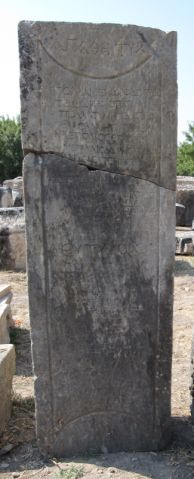
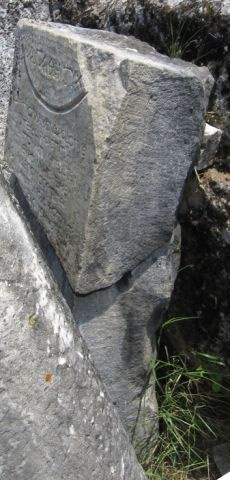
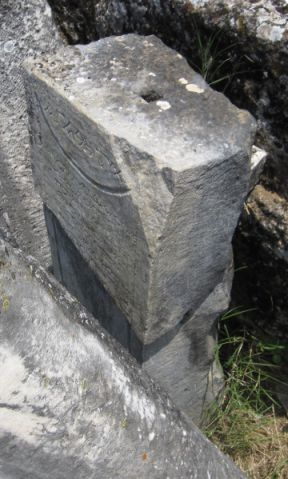
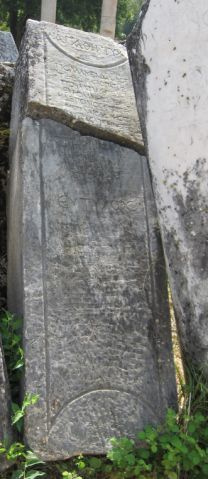
Base for statue of Rhodopaeus. Aphrodisias (Caria). Sixth century.
Record details
Photographs
Inscription
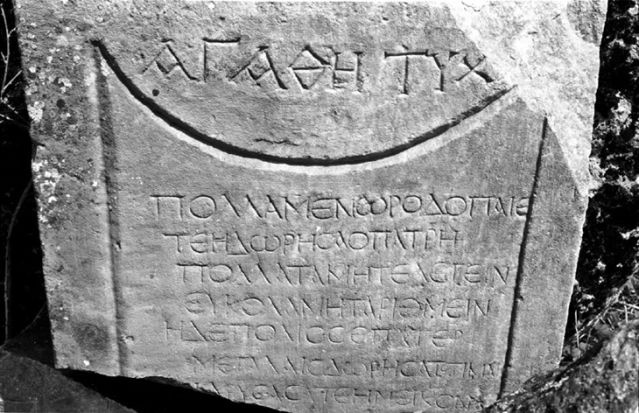
Ἀγαθῇ Τύχ[ῃ]· / πολλὰ μέν, ὦ Ῥοδοπαῖε,/ τεῇ δωρήσαο πάτρῃ / πολλὰ τὰ μήτε λέγειν /(5) εὔκολα μήτ' ἀριθμεῖν· / ἡ δὲ πόλις σε, πάτερ, / μεγάλαις δωρήσατο τιμαῖς / ἱδρύσασα τεὴν εἰκόνα / μαρμαρέην / (10) ὅππως μήτ' ὁ χρόνος / τὴν σήν, πολυφίλτατε, / μορφὴν μηδὲν / ἀμαυρώσῃ λήθῃ / ἐπισκιάσας. /
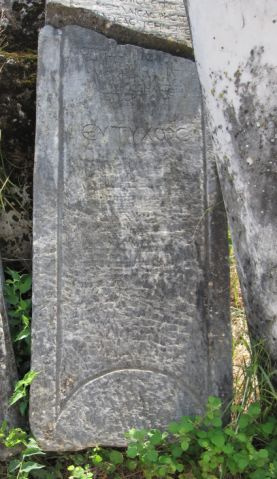
vacat | ἐυτυχῶς.
Inscription translation
To Good Fortune. You have made many presents to your country, Rhodopaeus, so many that they are not easy to say or to count; and the city has presented you with great honours, father, having set up your image in marble so that time may not obscure your image - you who are loved by many - overshadowing it with forgetfulness. With good fortune!
(Trans: C. Roueché)
Bibliography
- Roueché, C., Aphrodisias in Late Antiquity (Journal of Roman Studies Monograph 5), London 1989, no. 85
Discussion
INSCRIPTION
Verse inscription of three elegiac distichs laid out in 13 lines and framed by a an introductory and a final invocation in one line each; in total 15 lines:
Ἀγαθῇ Τύχ[ῃ]· /
πολλὰ μέν, ὦ Ῥοδοπαῖε,/ τεῇ δωρήσαο πάτρῃ /
πολλὰ τὰ μήτε λέγειν /(5) εὔκολα μήτ' ἀριθμεῖν· /
ἡ δὲ πόλις σε, πάτερ, / μεγάλαις δωρήσατο τιμαῖς /
ἱδρύσασα τεὴν εἰκόνα / μαρμαρέην /
(10) ὅππως μήτ' ὁ χρόνος / τὴν σήν, πολυφίλτατε, / μορφὴν
μηδὲν / ἀμαυρώσῃ λήθῃ / ἐπισκιάσας. /
vacat | ἐυτυχῶς.
'To Good Fortune. You have made many presents to your country, Rhodopaeus, so many that they are not easy to say or to count; and the city has presented you with great honours, father, having set up your image in marble so that time may not obscure your image - you who are loved by many - overshadowing it with forgetfulness. With good fortune!'
(Trans: C. Roueché)
Letter height 2.5 - 5 cm.
DESCRIPTION
Tall shallow base broken in two. H: 155, W: 51, D: 36 cm. Grey-blue marble.
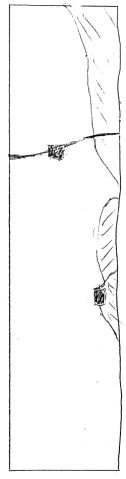
The shaft has broken exactly where three rectangular cuttings (one on each side and at the back) are situated. There is another cutting on the lower part of the proper left side. These cuttings were probably for lifting.
The top of the base has a band of anathyrosis at the front and a rectangular cutting for the attachment of an upper element.
The front panel is framed by a decorative band which follows a semi-circular downward arch at the top and a semi-circular upward arch at the bottom. The first line rests over the semi-circular dip of the frame. The lower part of the front panel is roughly chiselled.
The size, frame, and lack of lewis hole at the top may suggest that this was originally a horizontal architrave block which was used at a later moment vertically for a base.
PROVENANCE
Excavated by Boulanger in 1913 in the area of the northern forecourt of the Hadrianic Baths.
HONORAND, AWARDER AND DATE
Rhodopaeus is honoured with two other statues at Aphrodisias, LSA-194 and LSA-233. Here he is called a “father” who benefacted his city; this suggests a local relationship. The other two inscriptions make explicit his title as magnificentissimus (LSA-233), his local role in the corn supply LSA-194, and his participation in the refurbishment of the baths where possibly all three statues were set up (certainly this and LSA-194 were found there). Roueché notes that the use of the rank magnificentissimus for a local man should fall in the later fifth or sixth century and that Rhodopaeus’ involvement with the food supply, mentioned in the other two inscriptions, may reflect the faminine of 541/2. She thus dates all three statues to the mid-sixth century.
MULTIPLE HONOURS FOR LOCAL MEN
A local man named Maximus is similarly honoured with four marble statues, two of which are referred to by number, in nearby Stratoniceia; see LSA-657, LSA-1200, LSA-1201, and LSA-1202. Just as with the bases for Rhodopaeus, the inscriptions vary from verse to prose. He however is securely dated to the fifth century because the tax which he pays was abolished in 498.
Discussion references
- Roueché, Ch., A New Inscription from Aphrodisias and the Title πατὴρ τῆς πόλεως, Greek, Roman, and Byzantine Studies 20, 1979, 173-185
Cite: Last Statues of Antiquity, LSA-188 (J. Lenaghan).