
LSA-229
Base for statue of Vitianus, governor. Aphrodisias (Caria). Later fifth to mid-sixth century.
Record details
Photographs
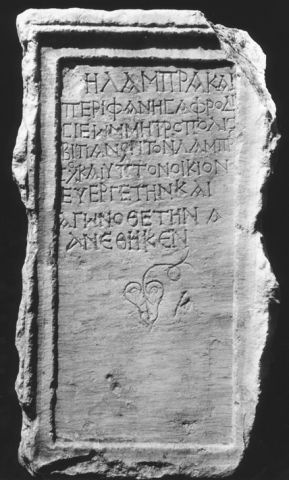
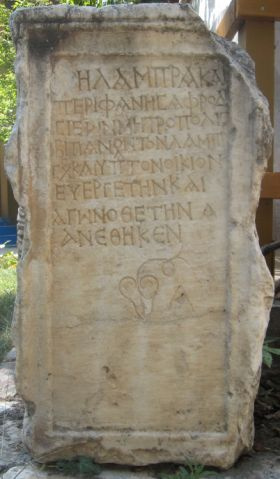
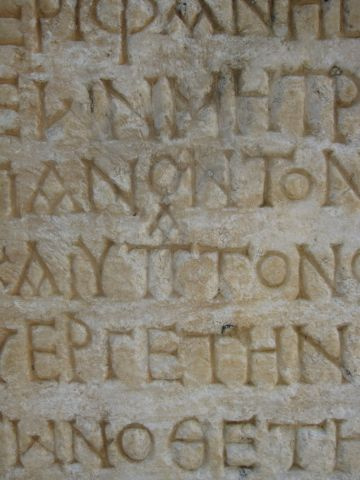
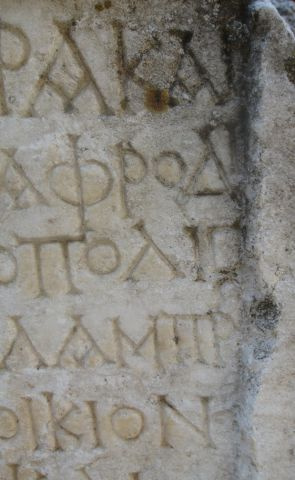
Inscription
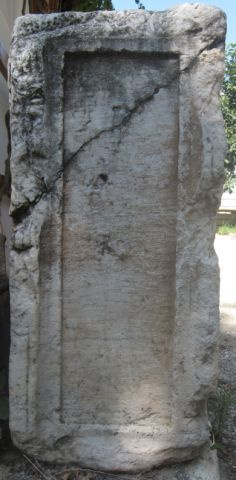
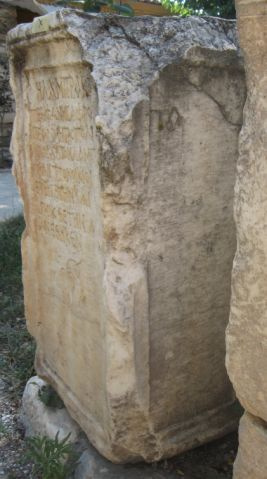
[? cross ] ἡ λαμπρὰ καὶ / περιφανὴς Ἀφροδι/σιέων μητρόπολις / Βιτιανὸν τὸν λαμπρ(ότατον) /(5) σχο(λαστικὸν) καὶ ὑπα(τικὸν) τὸν οἰκῖον / εὐεργέτην καὶ / ἀγωνοθέτην Α / ἀνέθηκεν. / vacat / leaf Α
Inscription translation
The splendid and well-known metropolis of the Aphrodisians set up (this statue of) Vitianus, clarissimus scholasticus and consular, their own benefactor and agonothete.
(Trans: C. Roueché)
Bibliography
- Roueché, C., Aphrodisias in Late Antiquity (Journal of Roman Studies Monograph 5), London 1989, no. 65
Discussion
INSCRIPTION
In eight lines, with a single letter carved below the inscription:
[? cross ] ἡ λαμπρὰ καὶ / περιφανὴς Ἀφροδι/σιέων μητρόπολις / Βιτιανὸν τὸν λαμπρ(ότατον) /(5) σχο(λαστικὸν) καὶ ὑπα(τικὸν) τὸν οἰκῖον / εὐεργέτην καὶ / ἀγωνοθέτην Α / ἀνέθηκεν. / vacat / leaf Α
'The splendid and well-known metropolis of the Aphrodisians set up (this statue of) Vitianus, clarissimus scholasticus and consular, their own benefactor and agonothete.' (Trans: C. Roueché)
Letter height 2-3 cm.
PROVENANCE AND CURRENT LOCATION
The base was found in 1970 in the Theatre at Aphrodisias. It lay face up with the top towards the east in a line of blocks. This was a late re-use high above the level of the orchestra.
DESCRIPTION
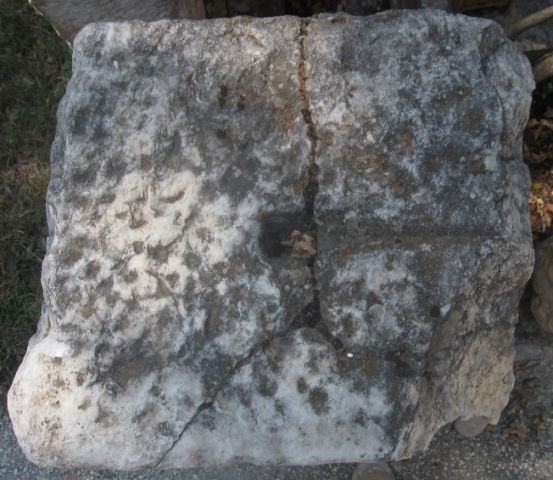
Rectangular shaft of base. H: 86, W: 44, D: 40 cm. Medium to large-grained white marble.
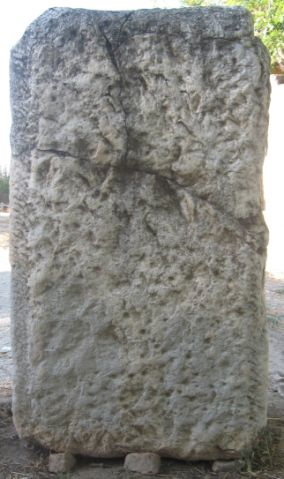
The base is fully finished with mouldings around the panels on three sides. The back is only roughly picked. It has a series of cracks in its upper half. The most prominent runs diagonally through the upper half of the proper right side. The top has a central square dowel hole with a pour channel. In the panel of the proper left side are two letters, Tau Alpha, possibly mason’s marks.
HONORAND, AWARDER AND DATE
The honorand, Vitianus, was also honoured with a statue at Miletus (LSA-551). The most decisive factor for the date is that he is here called a consular governor of Caria. Caria became a consular post in the fifth century at some point between 395-413 (when the Notitia Dignitatum calls the governor a praeses) and 491-518 (the reign of Anastasius when Fl. Johannes is called a consular governor of Caria on a milestone at Halicarnassus).
Cite: Last Statues of Antiquity, LSA-229 (J. Lenaghan).