
LSA-431
Base for statue of Basilius, civic office holder and benefactor. Patrae (Patrai) (Achaea). Fourth to earlier fifth century (?)
Record details
Photographs
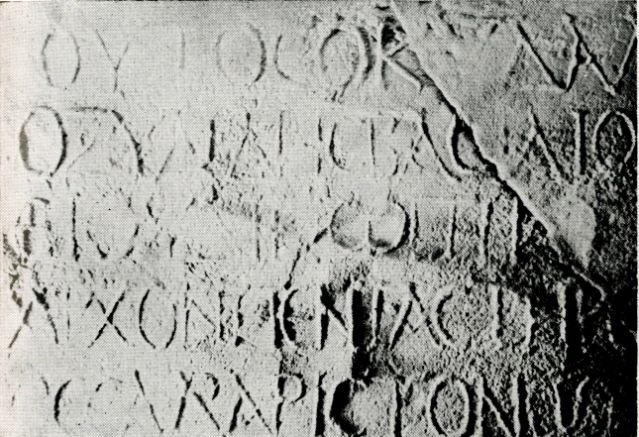
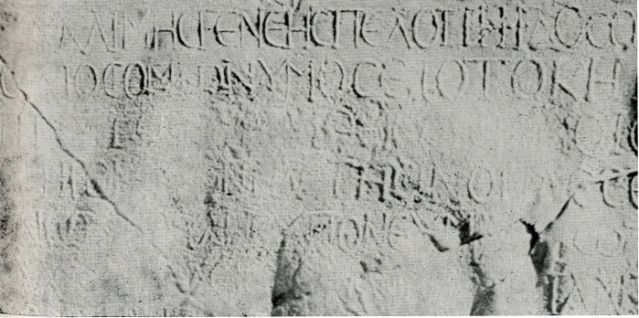
Inscription
Οὗτος ὁ κυδαλίμης γενεῆς Πελοπηΐδος ὄρπηξ
Ὀξιλίδης Βασίλιος ὁμώνυμος εἷο τοκῆϊ
εἰθυδίκῳ πιν̣υτ̣ῷ θ̣[ε]οπ̣ε̣ι̣θέϊ ὅς̣ τ̣έ̣ μιν οἶον
ἀρχὸν πενταέτηρον ἑκὼ̣ν ναετῄσιν ὄπασσεν.
(5) Ὅσσα δ’ ἀριστονό̣ου̣ βου̣λῆς ὑπὸ νεύμασι̣ φ̣ῶτας
ἔστι θέμις κατὰ ἄσ̣τ̣[υ] τ̣[ε]λ̣ε̣ι̣έ̣μ̣εναι μάλ̣α̣ πάντα,
μοῦνος ἐὼν θ̣ε̣σμοῖσ̣ιν ἀ̣νύσσατο κα̣ὶ̣ ναετῆρας
πάντας ὁμῶς ξείνους τε̣ τ̣ελεσφόρον ἐς λυκάβαντα
ἠνεκέως λοετροῖσιν ἀρέ̣σ̣σατο· ἠδ’ ἄρα φῶτας
(10) εἰλαπίναις χρυσῷ τε καὶ εἵμ̣α̣σι δηθὰ γεραίρων,
δέχνυ<τ>‘ ἐνὶ μμεγάροισι̣̣· θ̣ε̣μιστοπόλῳ δέ τε βουλῇ
καὶ δήμῳ κτεάν̣ω[ν σφε]τ̣έ̣ρ̣ων πόρε μύρια μέτρα
σπυροῦ Ἐλευσ̣ινίοιο τ̣̣ὸν εὐρυχόρῳ ἐνὶ Πείσῃ
Δημήτηρ λαγ̣όνων̣ σταχυηκό̣μος ἐξανέηκεν·
(15) ἑπτάκι δ’αὖ δέκα χειλιάδας μελιηδέος οἴνου
ὤπασεν Ἀργυ̣ρ̣ῆ̣ς ζαθέης ἄπο· ἕνδεκα δ’ αὖτε
χειλιάδας γλαυκοῖο πόρ’ ἐνναέτῃσιν ἐλαίου.
Τὸν μὲν ἄρ’ ἐν μεγάροισιν πανημαδὸν ὑμνείοντες,
ἠδ’ ἄρα μιν γεράεσσιν ἀ̣μ̣ε̣ι̣βό̣μ̣ε̣νοι μάλα πάντες,
(20) εἰκόνι λαϊνέῃ πανομοίϊον ἐστήσαντο.
Inscription translation
(1-4) This is the offspring of the glorious race of Pelops, the descendant of Oxylos, Basilius. He bears the same name as his father, a righteous and prudent man, obedient to the divine will. By his own will he (Basilius) has offered himself to the inhabitants as the sole quinquennial magistrate. (5-7) Despite being alone, he achieved by his decisions everything that is meet and right for men to accomplish within a city, with the consent of an excellently wise council. (8-9) During an entire year, continuously, he acquired the favour of all the inhabitants and of the foreigners likewise, by his care for the baths. (9-11) He also gave receptions to men in his great house, rewarding them at length with banquets, gold and clothes. (11-14) To the council which ministeres justice, and to the people he gave from his own lands ten thousand measures of the Eleusinian corn which Demeter who cultivates ears of corn let grow from the slopes in wide-spaced (area of) Pisa. (15-16) He offered seventy thousand measures of honey-sweet wine, product of holy Argyre; (16-17) furthermore eleven thousand (units) of gleaming olive oil (he provided) for the inhabitants. (18-20) Those who praise him in his great house all day long, everyone (of them) rewarding him with gifts of honour, set up a stone (= marble) statue of striking likeness of him (I am deeply indebted to Thomas Poiss, Berlin, and to Erkki Sironen, Helsinki, for help with the translation)
Bibliography
- Feissel, D. & Philippidis-Braat, A., Inventaires en vue d’un recueil des inscriptions historiques de Byzance, 3. Inscriptions du Péloponnèse, (à l’exception de Mistra)., Travaux et mémoires, 9, Paris 1985, 267-395, 374 no. 158
- Rizakis, A. D., Roman Peloponnese 1. Roman personal names in their social context (Achaia, Arcadia, Argolis, Korinthia and Eleia), Athens and Paris 2001, 63-4 no. 52
Discussion
INSCRIPTION
Verse inscription of ten elegiac distichs laid out in 20 lines:
Οὗτος ὁ κυδαλίμης γενεῆς Πελοπηΐδος ὄρπηξ
Ὀξιλίδης Βασίλιος ὁμώνυμος εἷο τοκῆϊ
εἰθυδίκῳ πιν̣υτ̣ῷ θ̣[ε]οπ̣ε̣ι̣θέϊ ὅς̣ τ̣έ̣ μιν οἶον
ἀρχὸν πενταέτηρον ἑκὼ̣ν ναετῄσιν ὄπασσεν.
(5) Ὅσσα δ’ ἀριστονό̣ου̣ βου̣λῆς ὑπὸ νεύμασι̣ φ̣ῶτας
ἔστι θέμις κατὰ ἄσ̣τ̣[υ] τ̣[ε]λ̣ε̣ι̣έ̣μ̣εναι μάλ̣α̣ πάντα,
μοῦνος ἐὼν θ̣ε̣σμοῖσ̣ιν ἀ̣νύσσατο κα̣ὶ̣ ναετῆρας
πάντας ὁμῶς ξείνους τε̣ τ̣ελεσφόρον ἐς λυκάβαντα
ἠνεκέως λοετροῖσιν ἀρέ̣σ̣σατο· ἠδ’ ἄρα φῶτας
(10) εἰλαπίναις χρυσῷ τε καὶ εἵμ̣α̣σι δηθὰ γεραίρων,
δέχνυ<τ>‘ ἐνὶ μμεγάροισι̣̣· θ̣ε̣μιστοπόλῳ δέ τε βουλῇ
καὶ δήμῳ κτεάν̣ω[ν σφε]τ̣έ̣ρ̣ων πόρε μύρια μέτρα
σπυροῦ Ἐλευσ̣ινίοιο τ̣̣ὸν εὐρυχόρῳ ἐνὶ Πείσῃ
Δημήτηρ λαγ̣όνων̣ σταχυηκό̣μος ἐξανέηκεν·
(15) ἑπτάκι δ’αὖ δέκα χειλιάδας μελιηδέος οἴνου
ὤπασεν Ἀργυ̣ρ̣ῆ̣ς ζαθέης ἄπο· ἕνδεκα δ’ αὖτε
χειλιάδας γλαυκοῖο πόρ’ ἐνναέτῃσιν ἐλαίου.
Τὸν μὲν ἄρ’ ἐν μεγάροισιν πανημαδὸν ὑμνείοντες,
ἠδ’ ἄρα μιν γεράεσσιν ἀ̣μ̣ε̣ι̣βό̣μ̣ε̣νοι μάλα πάντες,
(20) εἰκόνι λαϊνέῃ πανομοίϊον ἐστήσαντο.
'(1-4) This is the offspring of the glorious race of Pelops, the descendant of Oxylos, Basilius. He bears the same name as his father, a righteous and prudent man, obedient to the divine will. By his own will he (Basilius) has offered himself to the inhabitants as the sole quinquennial magistrate. (5-7) Despite being alone, he achieved by his decisions everything that is meet and right for men to accomplish within a city, with the consent of an excellently wise council. (8-9) During an entire year, continuously, he acquired the favour of all the inhabitants and of the foreigners likewise, by his care for the baths. (9-11) He also gave receptions to men in his great house, rewarding them at length with banquets, gold and clothes. (11-14) To the council which ministeres justice, and to the people he gave from his own lands ten thousand measures of the Eleusinian corn which Demeter who cultivates ears of corn let grow from the slopes in wide-spaced (area of) Pisa. (15-16) He offered seventy thousand measures of honey-sweet wine, product of holy Argyre; (16-17) furthermore eleven thousand (units) of gleaming olive oil (he provided) for the inhabitants. (18-20) Those who praise him in his great house all day long, everyone (of them) rewarding him with gifts of honour, set up a stone (= marble) statue of striking likeness of him'.
(I am deeply indebted to Thomas Poiss, Berlin, and to Erkki Sironen, Helsinki, for help with the translation.)
DESCRIPTION (from Bingen 1954, 74)
White marble plaque, broken into ten fragments. Parts of the surface heavily corroded, especially in the centre. The inscription records numerous benefactions of the honorand, for which he was rewarded with a marble statue; the plaque will therefore once have been set into the front of a masonry base.
LOCATION AND CURRENT PROVENANCE
The plaque comes from Patrae, but no more precise information is available.Today it is in the Patras museum, without published inventory number.
HONORAND AND DATE
The honorand held municipal offices in Patrae, the precise nature of which is not revealed by the text. Bingen, its first editor, argued that the office of 'archon pentaeteron (five-year magistrate)' referred to the office of defensor civitatis, introduced by Valentinian I, since a law of 385 prescribed that this office had to be held for five years (Codex Justinianus I, 55, 4; Bingen 1954, 81). Bingen also believed that the metre and language of the epigram suggest a date in the late 4th or early 5th century (Bingen 1954, 76-80). Rizakis, however, argues for an earlier date 'in the first half of the fourth century', and identifies the archon pentaeteron with the office of duumvir.
Basilius is otherwise not known, and can not be identified with any of the men of that name in PLRE I and PLRE II.
FURTHER DISCUSSION
If it really is late, the statue for Basilius would be a very rare inscription to a municipal office holder and private benefactor in late 4th and early 5th century Greece.
Discussion references
- Bingen, J., Inscriptions d'Achaie, Bulletin de Correspondance Hellénique 78, 1954, 74-88, 74-82
- Jones, A. H. M. et al., The Prosopography of the Later Roman Empire. Vol. I 260-395, Cambridge et al. 1971 (1975), 148-9
- Martindale, J. R., The Prosopography of the Later Roman Empire. Vol. II A.D. 395-527, Cambridge 1980, 214-8
Cite: Last Statues of Antiquity, LSA-431 (Ulrich Gehn).